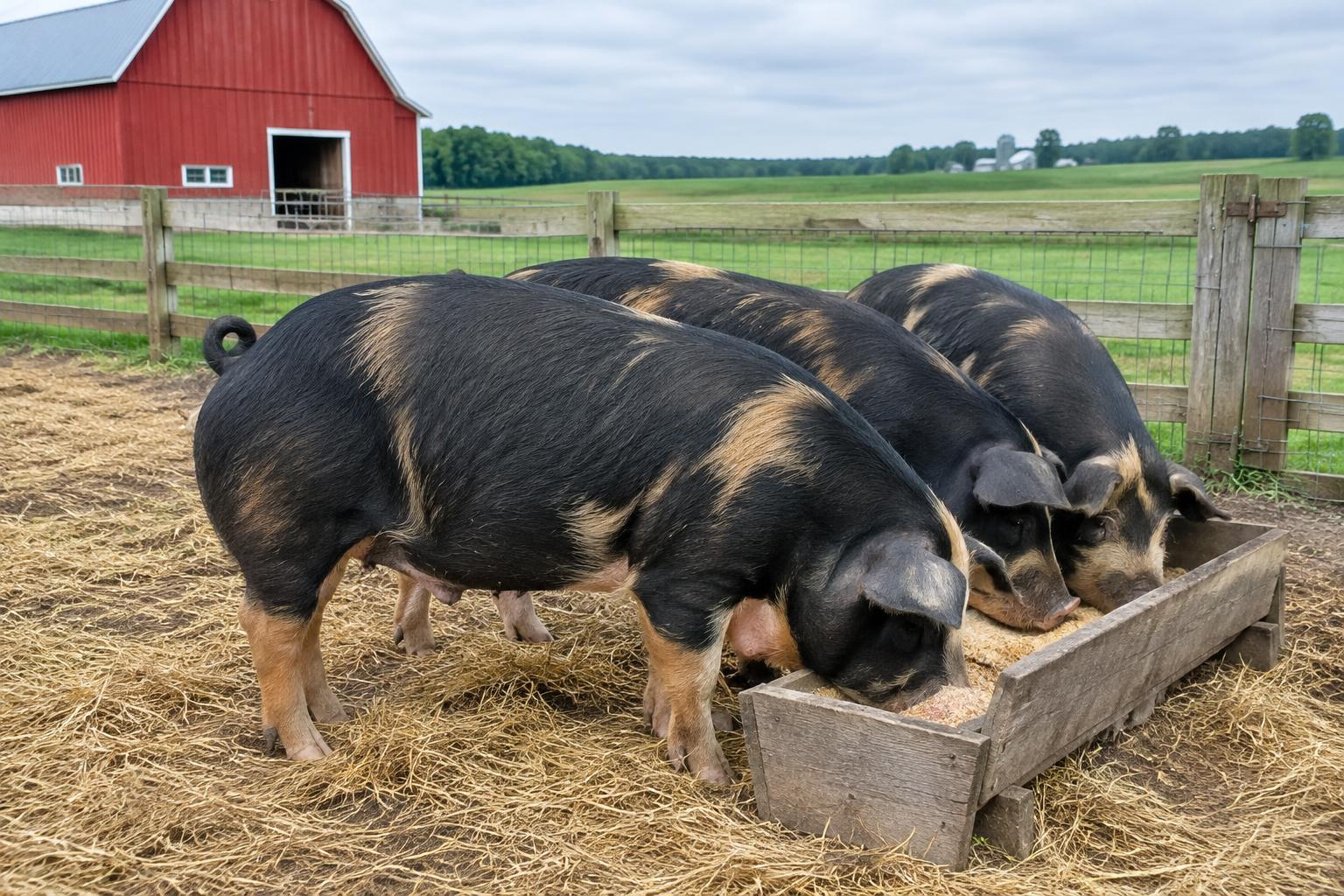
A timeline and evidence file on how a vague order turned lawful livestock into contraband — and what it cost the people who owned them.
Timeline
From order to enforcement
2010
The Invasive Species Order
The DNR director signs an order declaring “Russian Boar” and their hybrids a prohibited species. Possession becomes illegal — even for animals legally bought, fenced and raised on private land.
2011–2012
Enforcement by appearance
Rather than define a breed, the Order lists physical traits. Owners must guess whether their own animals cross an invisible line, under threat of criminal penalties.
2012
Undercover hunts and lawsuits begin
DNR agents, according to ranch owners' testimony, pose as paying hunters on private ranches. Roger Turunen's legal fight with the State begins the same year.
Years later
Enforcement suits filed
Ranch operators report being sued long after the hunts took place, using evidence gathered while agents posed as customers.
Today
An industry gutted
Michigan pig-hunting ranches fall from roughly 70 to about five. Livelihoods built on private land are gone.
Evidence: the test
Guilt by appearance: ear, hair, tusk and tail
The Order judged pigs by how they looked, not by a clear legal standard. A farmer could not read it and know for sure whether his own herd was lawful.
Ears
“Erect” ear shape — a feature shared by many domestic and heritage breeds.
Hair
Bristle color, tips and coat pattern — varies with season, age and diet.
Tusks
Tusk presence and size — any intact boar can grow them.
Tail
“Straight” tail posture — a judgment call made by eye.
Contested genetics
Animal-health company Zoetis reportedly confirmed that no genetic test can reliably classify a pig as “feral.”
If science can't draw the line, citizens shouldn't be punished for crossing it.
The people
Ranchers and farmers in the crosshairs
Undercover hunts
Cody Wehner
Superior Wildlife Adventures
★Testified that DNR agents posed as ordinary hunters.
★Agents paid to shoot pigs on his ranch and took the carcasses.
★The State sued years later, using that visit as evidence.
Litigation since 2012
Roger Turunen
Upper Peninsula pig owner
★Fought the State in court for multiple years, beginning in 2012.
★Courts found specific pigs did not meet the Order's own criteria.
★Became a symbol of one family's stand for due process.
~70 → ~5
Michigan’s hunting ranches
Statewide
★Roughly 70 ranches operated before enforcement.
★About five remain today.
★Jobs, rural tourism and family businesses lost.
What the independent record shows
Fall 2021: Agents posing as hunters on private land.
According to owner testimony at the June 2025 House hearings and contemporaneous reporting, DNR conservation officers ran an undercover operation against at least six high-fence pig-hunting facilities. The ranches did not learn the “hunters” were state agents until they were sued—roughly two years later, in April 2023.
False names and cover stories
Payment in cash or money orders
No paper trail, no photographs
Booked advertised hunts, shot pigs, took carcasses
Superior Wildlife Adventures
Cornell, U.P. · Cody Wehner
Owner testimony: agents said they wanted to pay cash because their wives were shopping and shouldn’t know about the hunt. They shot pigs and left. The operation was later sued.
Sunrize Acres
Hanover · Ted Nugent
Nugent testified his pigs were domestic or heritage-type animals, including Hogan hogs. Reporting describes his facility’s pigs as ruled closer to domestic animals and cleared.
Freedom Ranch 906
Upper Peninsula
Targeted in the operation. Reporting describes a court order to cull animals the court found met the DNR’s criteria.
David’s Hog Wild · Trophy Ranch
Michigan
Also identified in hearing testimony as targeted sites.
The “weaponization” framing
The House Subcommittee on the Weaponization of State Government treated the undercover hunts as an example of a state agency using deception and litigation against property owners and small businesses. Rep. Rigas and others described the DNR as targeting ranchers after earlier court setbacks, including Turunen’s, and relying on appearance-based or contested genetic methods instead of an objective standard. Subpoenas were later issued for DNR enforcement records and expenditures. Presentations put the collapse at roughly 70–75 ranches down to about five.
Mixed results. One core question.
Court outcomes have been mixed: some facilities were cleared, others were ordered to cull. The unresolved issue is whether the agency’s methods can reliably tell a prohibited animal from an ordinary or heritage pig raised on private land.
The critics’ argument: U.P. lawmakers note true feral hogs do not thrive through U.P. winters. Undercover entry, subjective classification, multi-year litigation, and an industry’s collapse, they argue, look like regulatory power used to eliminate a disfavored private activity—not a response to a demonstrated feral population.