
Primary example
The Pig Cases
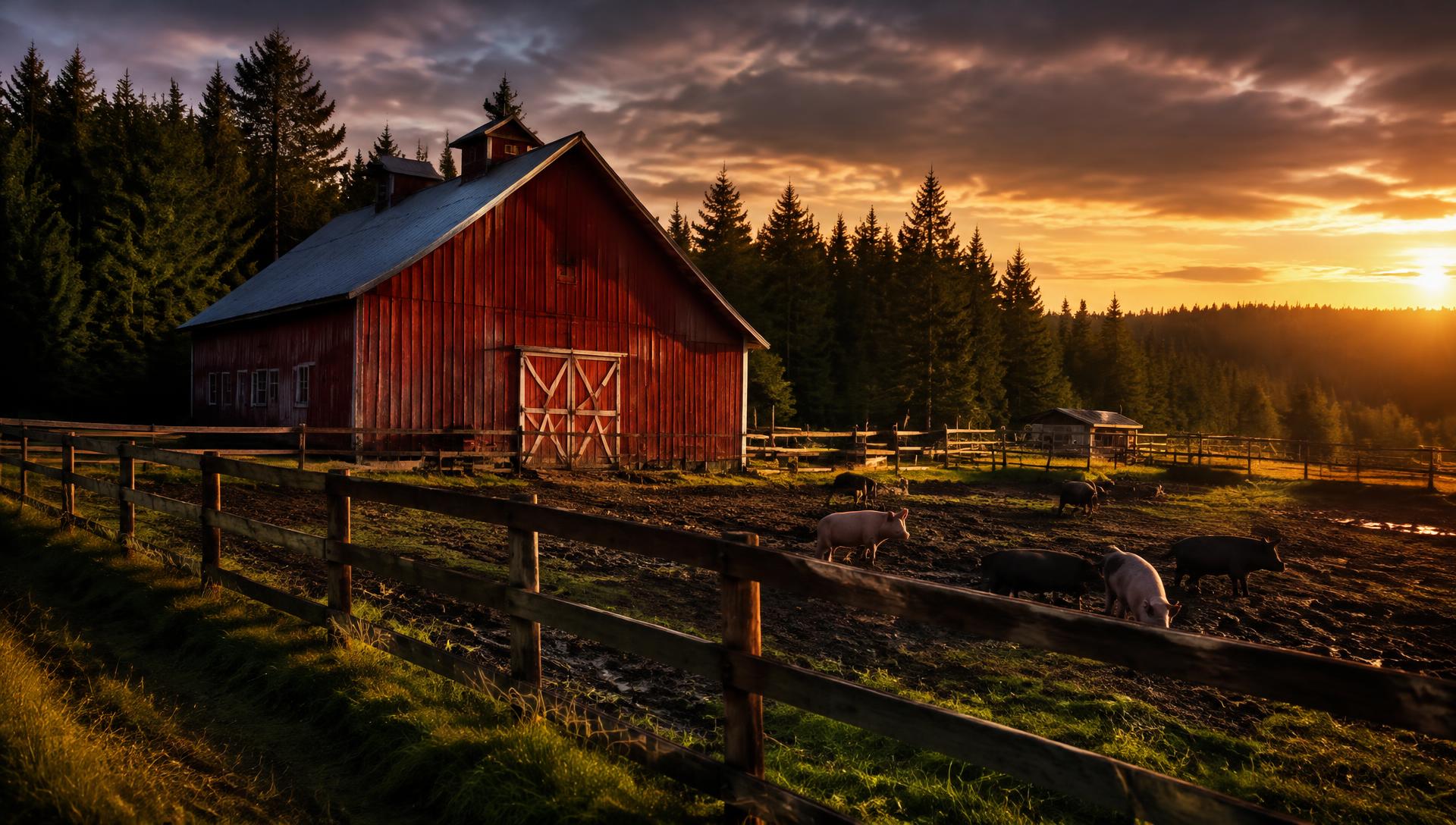
A vague 2010 order, subjective trait tests, undercover hunts, and years of litigation. An industry of roughly 70 hunting ranches reduced to about five — not by the market, but by the State.
The Bigger Pattern
The pig raids were not an isolated mistake. They are one chapter in a longer story of agency power pressed against the people who live on, work on, and own the land.
The constitutional ground
Article I, Section 11 of the Michigan Constitution protects the people in their “persons, houses, papers and possessions” against unreasonable searches and seizures. Possessions include livestock. Houses include the farm. Land is the foundation of every other right a family has. When agents of the State treat posted private property as their own jurisdiction, they are not enforcing the law — they are stepping outside it.
Michigan Constitution — Article I, Section 11
“The person, houses, papers and possessions of every person shall be secure from unreasonable searches and seizures.”
No exception is written for conservation officers. None should be invented.
The pattern
A vague 2010 order, subjective trait tests, undercover hunts, and years of litigation. An industry of roughly 70 hunting ranches reduced to about five — not by the market, but by the State.
Nine years of fighting local zoning that targeted his farm. The Right to Farm Act — state law that preempts local ordinances when farms follow Generally Accepted Agricultural Management Practices — ultimately protected him. Persistence, and the law, beat the bureaucracy.
DNR officers entered private hunting land without warrants, resting on the “open fields” doctrine. The Vanderlaan case and related litigation challenged whether the Constitution permits the government to treat posted private land as public space.
Lawmakers introduced bills requiring a warrant or owner consent before DNR or EGLE agents enter private property — an admission, from the Legislature itself, that the current practice goes too far.
Two versions of reality
Every expansion of agency power arrives wrapped in reasonable language. Here is what that language looked like from the other side of the fence.
Official claim
The Invasive Species Order was a necessary conservation measure to protect Michigan's environment from feral swine.
Property owner experience
Agents posed as paying hunters, shot privately owned pigs, hauled off the carcasses, and sued the owners years later. Families who had invested everything in lawful herds faced criminal exposure over ear shape and tail posture.
Official claim
Local ordinances exist to keep order, and farms must comply with them like anyone else.
Property owner experience
Bay County farmer Harvey Haney fought for nine years against zoning used to squeeze his operation — until Michigan's Right to Farm Act, which preempts local ordinances when a farm follows GAAMPs, vindicated him.
Official claim
Conservation officers need broad access to private land to enforce game laws, and the “open fields” doctrine allows it.
Property owner experience
Landowners watched officers walk onto posted private hunting land without a warrant and without consent. The Vanderlaan litigation put that power to the test — and the 2025 House bills now demand a warrant or consent before DNR or EGLE agents enter private property.
“The right to be left alone on your own land is not a favor the State grants. It is a right the State was created to protect.”
The pig farmers, Harvey Haney, and the landowners behind the Vanderlaan challenge were not asking for special treatment. They were asking for the Constitution to mean on their land what it means everywhere else. That is not a radical demand. It is the oldest one in American law.